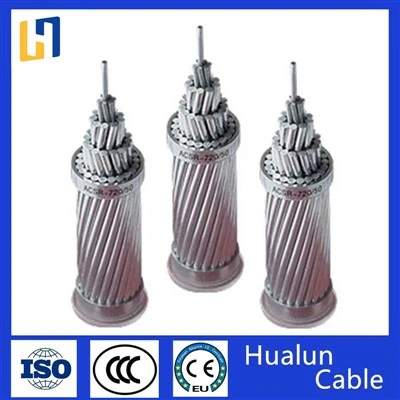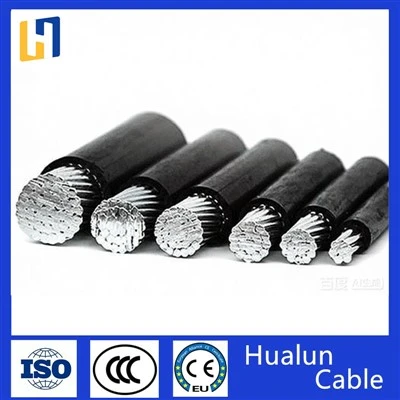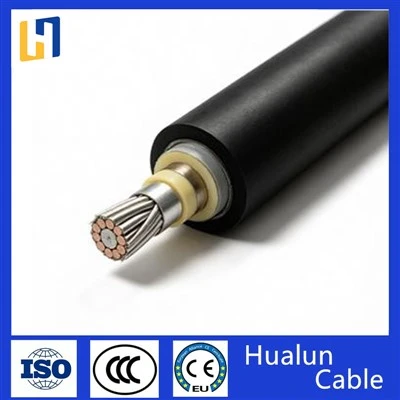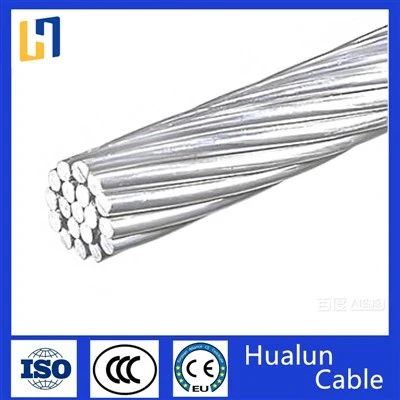

Overhead lines are a common method used in the transmission and distribution of electrical power. This system conveys electricity via conductors (wires) supported by structures such as poles or towers. Both the conductors and the supporting structures are made of metal; the conductors are typically composed of aluminum or copper, while the poles or towers are constructed from materials such as reinforced concrete or steel.
Although both overhead lines and "bare conductors" (uninsulated wires) involve the transmission of electricity through suspended wires, they are not the same. A bare conductor refers specifically to a wire lacking an external insulating layer; such conductors are often used in ground-level or underground power transmission applications.
In contrast, overhead lines offer superior safety and reliability. By using poles or towers to elevate the conductors, the system ensures that the wires do not come into contact with the ground or other objects, thereby preventing hazards such as short circuits. Furthermore, overhead lines are highly adaptable-by adjusting the number of conductors and the placement of the supporting structures, the system can be configured to meet specific requirements for different voltage levels and transmission distances.