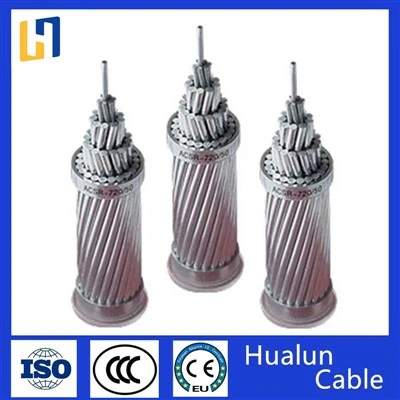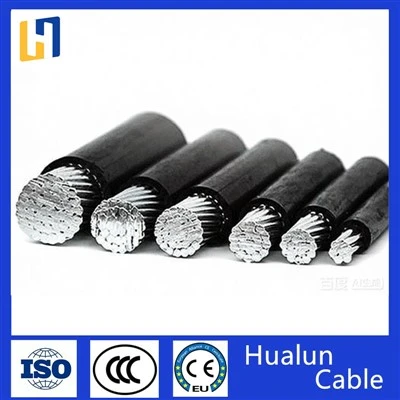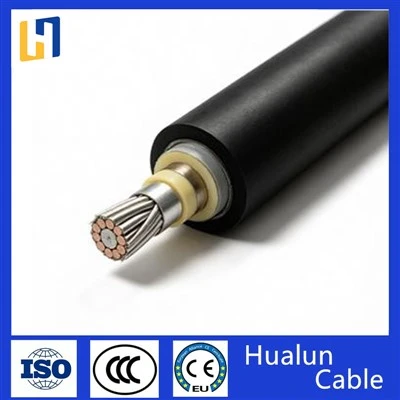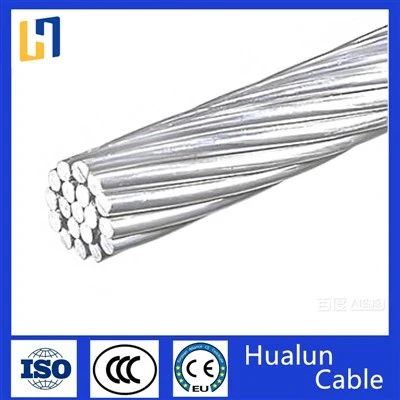

High-voltage power lines typically utilize aluminum conductor steel-reinforced (ACSR) cables rather than pure copper wires. This choice is based on several considerations. ACSR cables combine the electrical conductivity of aluminum with the mechanical strength of steel. They consist of a central steel core-which provides the necessary structural strength-surrounded by layers of aluminum, which handle the transmission of electrical energy. This configuration not only simplifies installation and maintenance and reduces costs, but also allows for greater transmission capacity.
ACSR cables are particularly well-suited for transmission lines that must span challenging geographical features, such as rivers or valleys. By offering an optimal balance of electrical conductivity and mechanical strength, they allow for longer spans between support towers, thereby reducing the complexity of both construction and maintenance.
There are clear regulations regarding the minimum safe distance between high-voltage power lines and the ground. These requirements vary based on voltage levels and geographical location. For instance, low-voltage lines (380V) must maintain a clearance of at least 6 meters in residential areas and at least 5 meters in non-residential areas. Similar requirements exist for medium-voltage lines (6–10 kV) and 35–110 kV lines to ensure the safety of people and property.
Regarding the safe distance between high-voltage lines and residential buildings, while China does not mandate a specific physical distance, it employs a standard based on magnetic flux density to ensure safety. According to this standard, the magnetic flux density at the location of a residential building must be less than 100 microteslas. Through scientific calculation, safe distances have been established for various voltage levels: 4 meters for lines under 1 kV, 6 meters for 1–10 kV, 8 meters for 35–110 kV, 10 meters for 154–220 kV, and 15 meters for 330 kV.
In summary, the use of aluminum conductor steel-reinforced (ACSR) cables is driven by their comprehensive advantages in terms of electrical conductivity, mechanical strength, cost-effectiveness, and practicality. These characteristics make ACSR the preferred material for high-voltage power transmission lines.