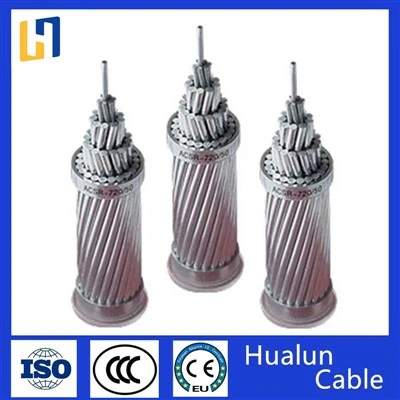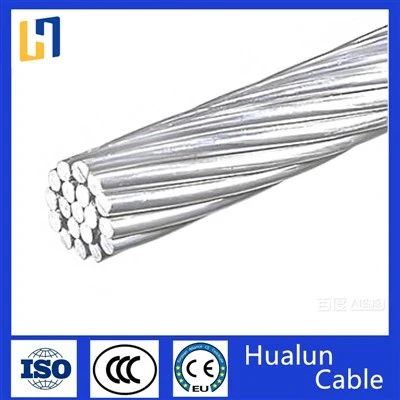

Bare conductors refer to wires that are not covered by any insulating material; they are typically used in high-voltage power transmission lines. The term "conductors" (or conductive lines) is a broader category encompassing all materials or devices capable of carrying electric current, including wires, cables, and other electrical components.
Bare conductors are a specific type of conductor. Because they are directly exposed to the air, they are well-suited for high-voltage power transmission environments, effectively meeting the requirements for transmitting high voltages and high power.
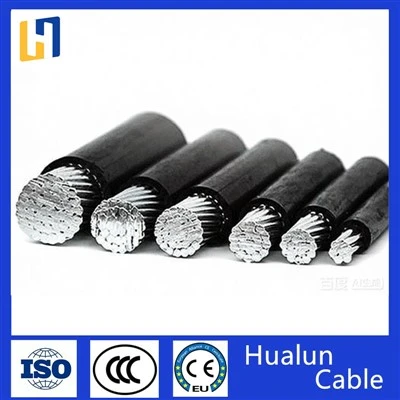
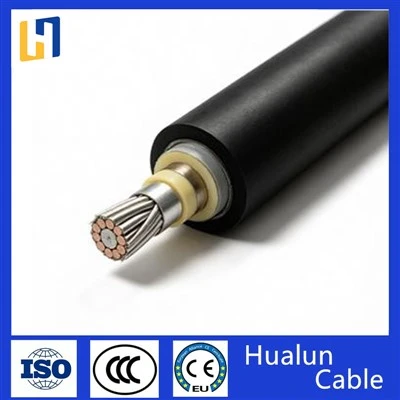
In addition to bare conductors, the category of conductors includes insulated wires, cables, and various other forms. Insulated wires are generally used for low-voltage electrical equipment, while cables-thanks to their superior protective properties-are widely employed for power transmission in complex environments.
Conductors are used extensively throughout the power industry, spanning the stages of power generation, transmission, and distribution. Different types of conductors are applied in various scenarios based on their specific characteristics, ensuring that the diverse needs of power systems are met.
As a specialized type of conductor, bare conductors play an irreplaceable role in high-voltage power transmission. The diverse range of available conductors provides a robust foundation for the stable operation of power systems, making them an indispensable component of the modern power industry.