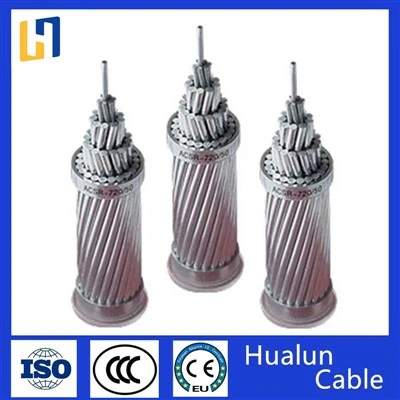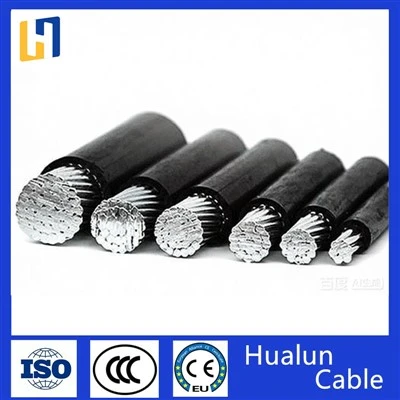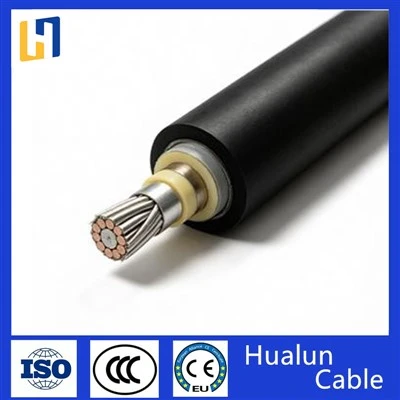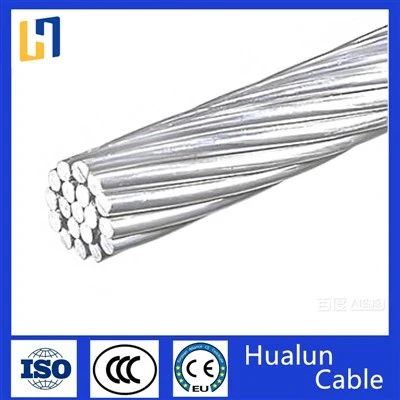

Overhead lines are a critical component of power transmission, making their design and material selection of paramount importance. Among the various materials available, bare conductors-conductors without an insulating layer-are particularly widely used in overhead lines. But why are bare conductors employed in these systems?
First, bare conductors are relatively inexpensive to manufacture. Given the requirements for long-distance, large-scale power transmission, using bare conductors significantly reduces material costs, thereby enhancing the overall economic efficiency of the power transmission system.
Second, because they lack an insulating layer, bare conductors offer superior electrical conductivity. With the metal conductor directly exposed to the air, the flow of electric current is facilitated, which is essential for ensuring both the stability and efficiency of power transmission.
Furthermore, should a fault occur, bare conductors allow maintenance personnel to quickly locate and repair the issue. Since the conductors are exposed, the point of failure is often immediately apparent, which greatly simplifies the repair process and reduces the time required for maintenance. Additionally, replacing or maintaining bare conductors is relatively straightforward, helping to minimize downtime caused by system faults.
In summary, the use of bare conductors in overhead lines is primarily driven by their cost-effectiveness, excellent electrical conductivity, and the ease with which they can be maintained and repaired. These combined factors have secured a vital role for bare conductors in overhead power transmission systems.