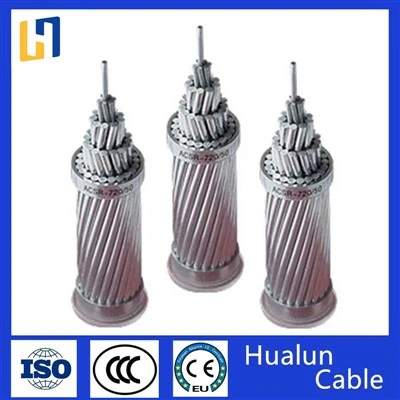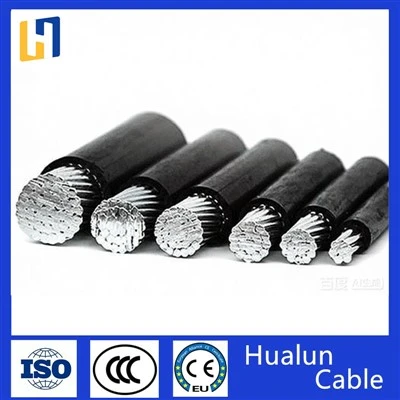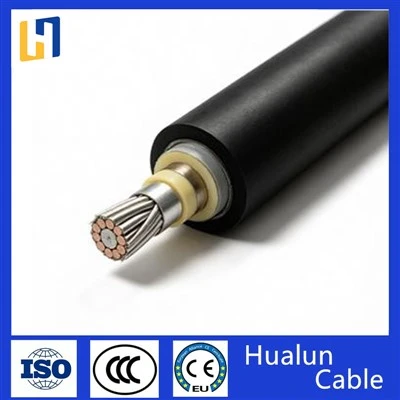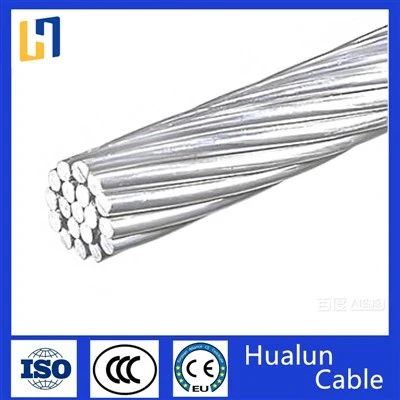

Overhead lines can utilize either bare or insulated conductors, depending on the specific application environment and conditions. The choice of conductor for overhead lines varies by voltage level:
For voltage levels of 10 kV and above, outdoor overhead lines typically employ bare conductors.
For a voltage level of 380 V, overhead lines generally use insulated conductors.
In urban areas or locations with high population density, insulated conductors are typically used for safety reasons.
In sparsely populated or open, remote areas, bare conductors may be used.
The selection of a conductor depends on various factors, including the operating environment, service conditions, mechanical strength requirements, and resistance to chemical corrosion. For instance, high-voltage overhead lines generally use bare conductors, as they rely primarily on the surrounding air for insulation from the ground.
Conversely, in urban areas or complex environments, overhead lines operating at 10 kV or below typically utilize insulated conductors to prevent issues such as short circuits, ground faults, or damage from lightning strikes.