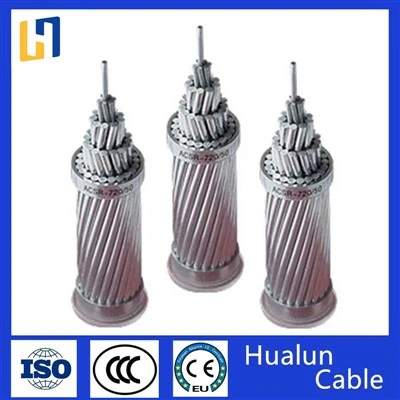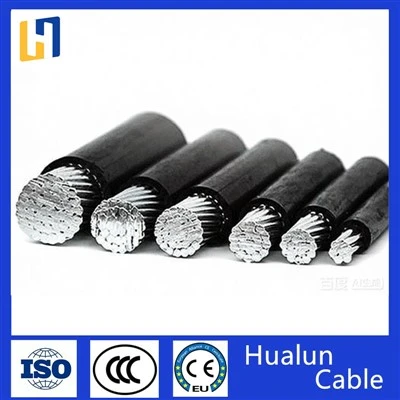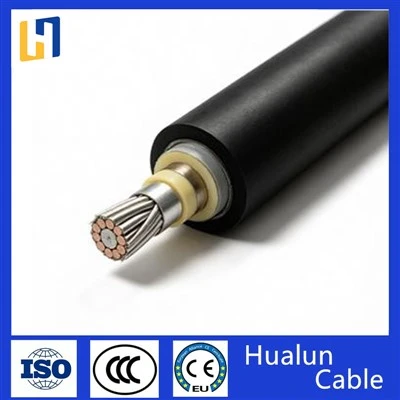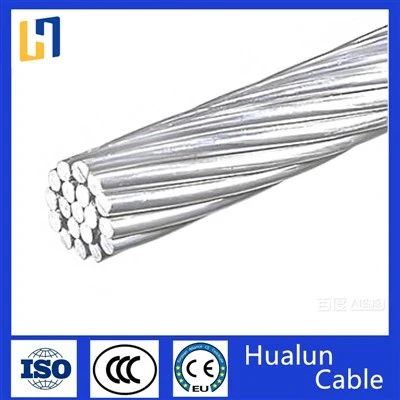

High-capacity conductors are typically constructed by concentrically stranding an inner core-composed of high-strength Invar (nickel-iron alloy) wires clad in aluminum-with an outer layer of heat-resistant or ultra-heat-resistant aluminum alloy wires, which serve as the conductor.
Invar is an iron-nickel alloy containing 36%–38% nickel. Its defining characteristic is an extremely low coefficient of thermal expansion, which is the fundamental factor enabling the conductor's low-sag performance.
For a long time, the Invar used in high-capacity conductors in my country relied on imports. Domestic mass production of this material was achieved in 2009, and it subsequently received certification from the State Grid Corporation of China. In 2022, a new type of high-strength Invar product was developed.
In addition to the traditional Invar-core design, there is also a cost-effective, alternative type of high-capacity conductor. This version utilizes a galvanized steel stranded core for reinforcement, with aluminum or aluminum alloy as the conductor; it achieves high-capacity performance through "transition temperature" control technology, offering a relatively lower cost.
The stranding process is a critical stage in ensuring the overall performance of high-capacity conductors. It requires specialized equipment and precise process control to guarantee that key parameters-such as the conductor's transition temperature-meet design specifications, thereby ensuring product quality.